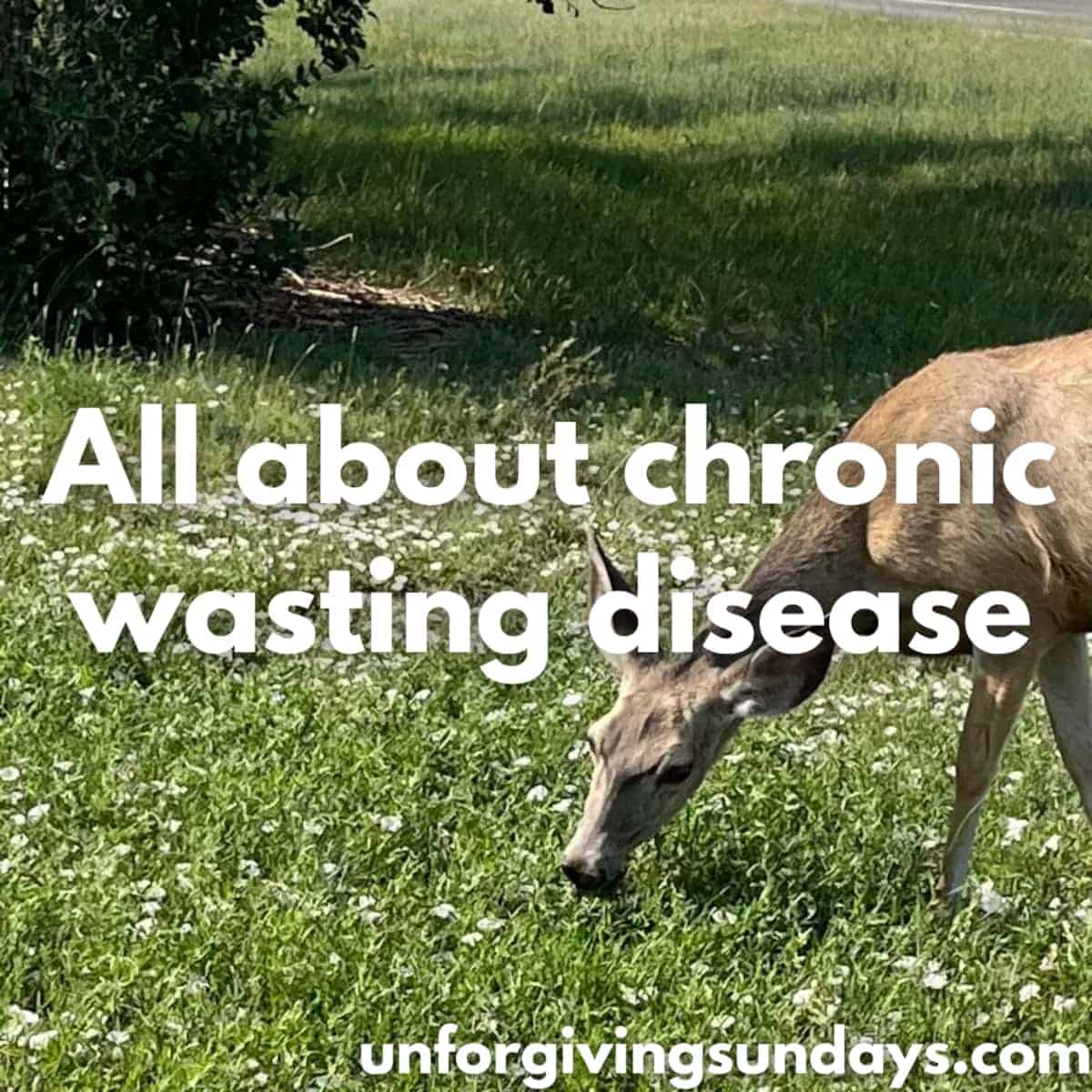
The deer are out and something is… wrong. They’re stumbling, they’re drooling, and they’re looking a little too undead for comfort. Hide your wife, hide your kids — it’s a case of zombie deer disease!
Zombie deer disease (better known as chronic wasting disease) is real and it’s bad news for our cervids. Here is what nature lovers need to know.
What is chronic wasting disease?
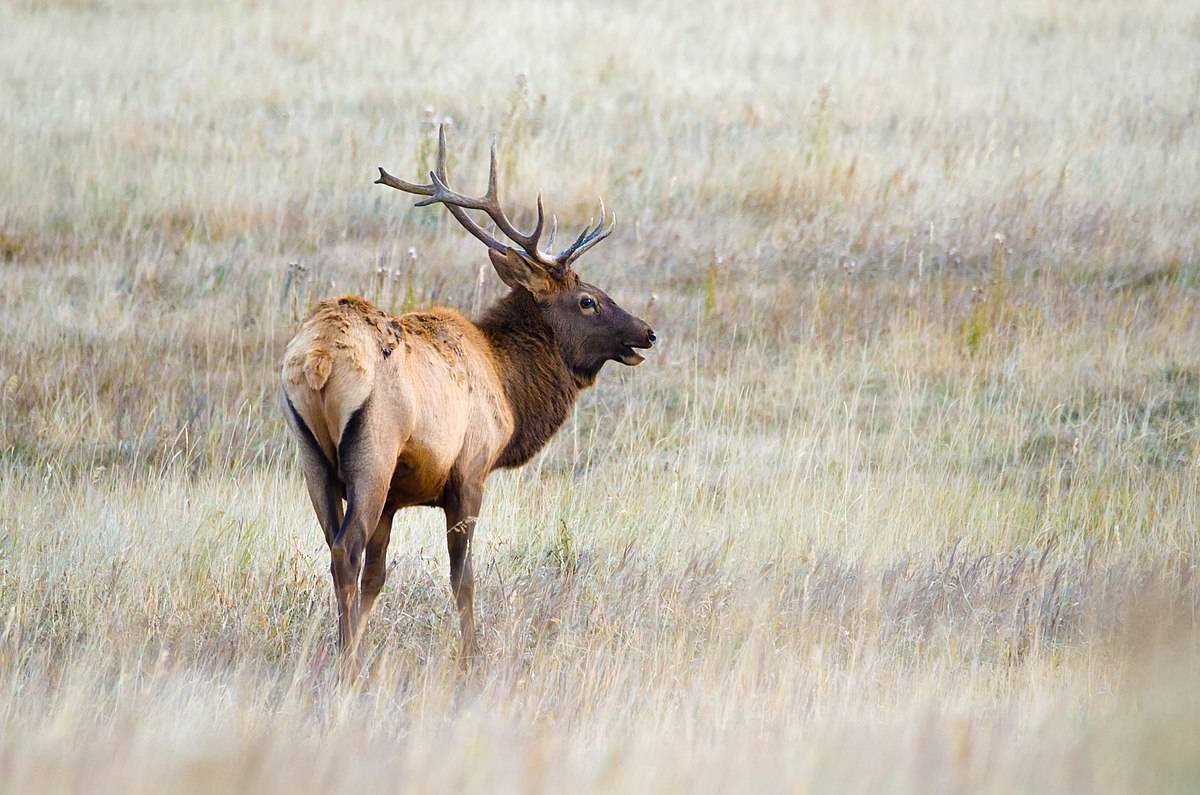
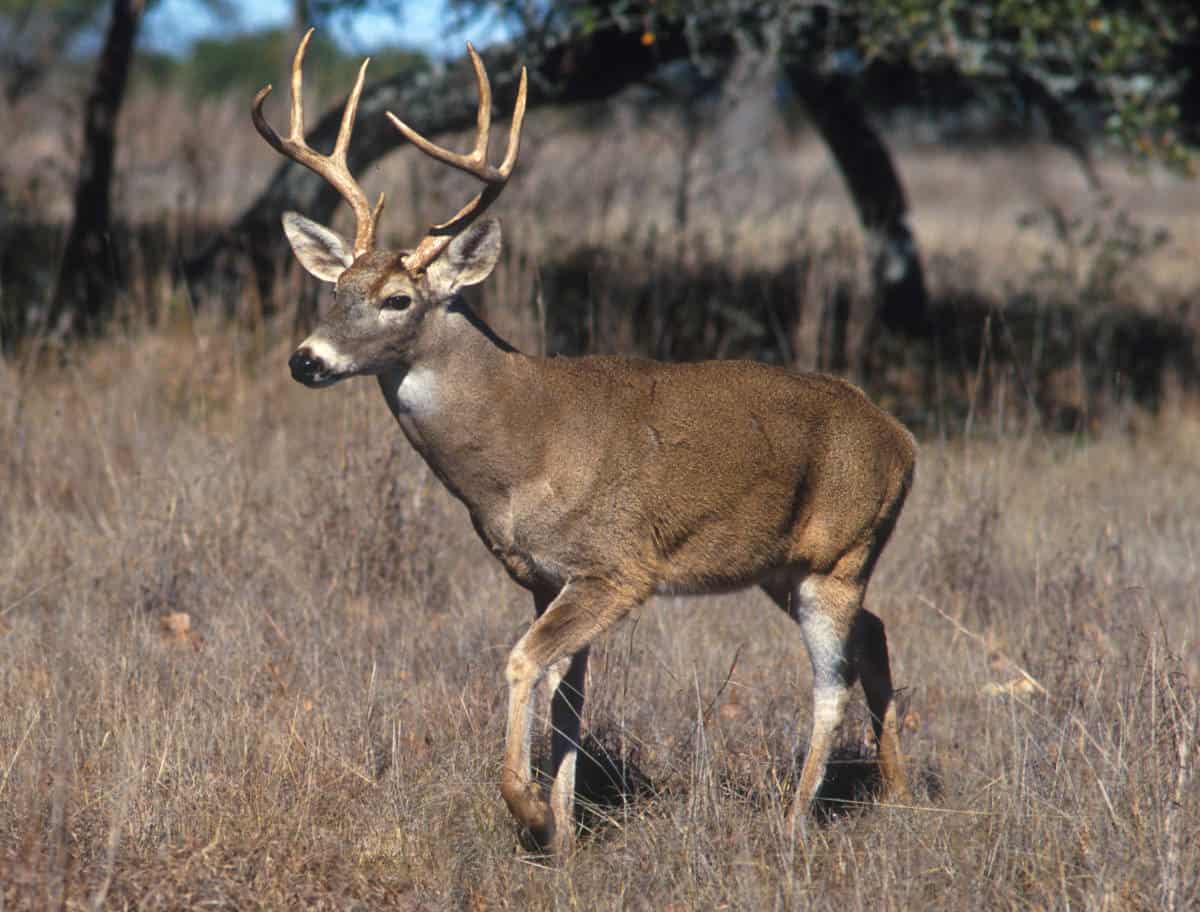
Chronic wasting disease, or CWD, is a neurodegenerative disease that affects cervids (deer, moose, elk, etc.). It is a prion disease, which means that it’s a disease caused by misfolded proteins that damage the nervous system. Other examples of prion diseases include mad cow disease, scrapie, and Creutzfeldt-Jakob disease. CWD is always fatal — there is no vaccine to protect animals, no treatments, and no cure (major bummer).
Symptoms of chronic wasting disease include:
- Reduced activity levels
- Difficulty swallowing
- Excess salivation
- Excessive urination
- Increased thirst
- Lack of coordination
- Paralysis
- Difficulty breathing
- Separation from the other animals in the herd
- Unusual behaviour
- Weight loss
It might take two years before an infected animal starts to show symptoms of chronic wasting disease. Just because an animal looks healthy doesn’t mean that it isn’t infected. The only way to know for sure is by testing certain tissues after the animal has died.
How does chronic wasting disease spread?
CWD is contagious — it spreads through prions, either from infected animals or contaminated environments. Prions are misfolded proteins that cause regular proteins to fold wrong too, which ultimately leads to cell death in the brain.
These prions can be found in saliva, urine, and feces; they are also spread by coming into contact with an infected carcass. This contaminates the environment, and unfortunately, prions can exist for years on plants or in the soil. CWD can also spread directly between animals.
Can humans get chronic wasting disease?
Although there are no documented cases of CWD in humans, the jury is still out on whether it is possible for humans to become infected. There are other prion diseases (like mad cow disease) that can spread to humans by eating infected meat, so it is still better to be safe than sorry (especially if you are consuming wild game meat).
Can dogs and cats get chronic wasting disease?
There are no documented cases of dogs being infected with CWD (but this doesn’t mean it’s impossible). Cats, on the other hand, can be infected with CWD. If you come across a carcass on your outdoor adventures, do your best to keep your pets out of it.
Message from the Field Lab: Don’t worry too much — for hikers and campers, casual contact is considered low risk.
What is the impact of CWD on wildlife?
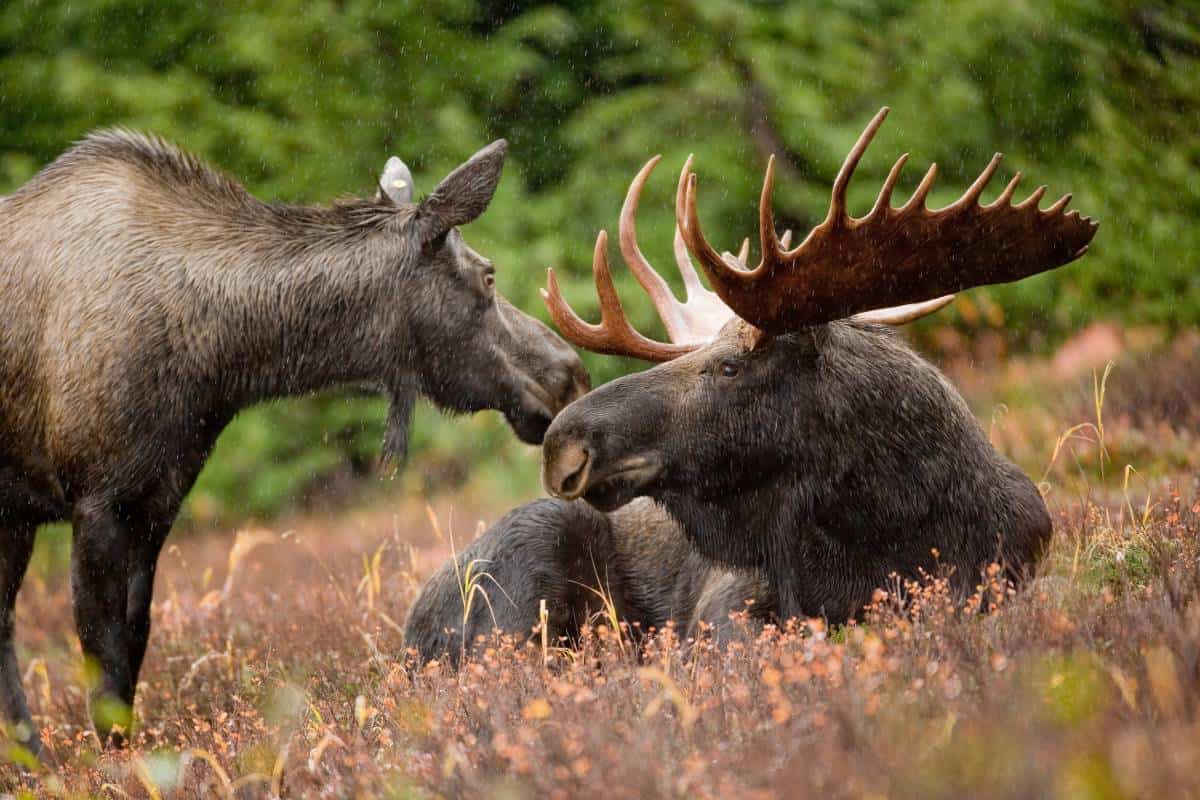
CWD can lead to a reduced population of cervids, which influences the overall ecosystem balance.
- Cervids are prey animals, which means the predators who prey on them are going to be impacted by the decrease in available food.
- A smaller population of cervids means less grazing, which is an important part of keeping vegetation (including invasive plants) in check.
- Habitat alteration can lead to increases in disease transmission, as animals move into new areas in search of resources.
- Animals infected with CWD can contaminate the environment, causing lasting impact on the soil and on water sources. This can disrupt the way nutrients are cycled through the environment.
All of these factors have critical impacts on the overall biodiversity, affecting far more than just the cervid population.
What can people do to help?
Hunters can submit the head for testing. As part of monitoring efforts in Alberta, hunters can/must submit the head (or various tissue samples) for testing. This helps the government track the disease and protect wildlife populations.
Stay on the trail. You’ll avoid disturbing contaminated soil, plus it reduces ecosystem disruption.
Avoid feeding animals. This creates unnatural congregation sites where the disease can spread more rapidly.
Report sick animals. If you notice a cervid acting strange, report it to your local authorities. Try to include as much information about the location as you can. Although you can’t always tell when an animal has CWD, if you think something is wrong, it is better to report it than not say anything.
Don’t touch anything. If you come across a dead cervid, do not touch it. Keep pets and children away, and report the location to local authorities. Avoid transporting carcasses between areas, as this can help prevent the spread of CWD.
Give your boots a quick wipe. If you are bouncing between areas, clean the dirt and debris off your boots and gear to prevent the spread of disease and invasive species.
Advocate for conservation. Everyone has a role to play in protecting our wildlife. Share information about CWD with your friends and family. Help them to understand the gravity of the situation and teach them about how they can prevent the spread too.
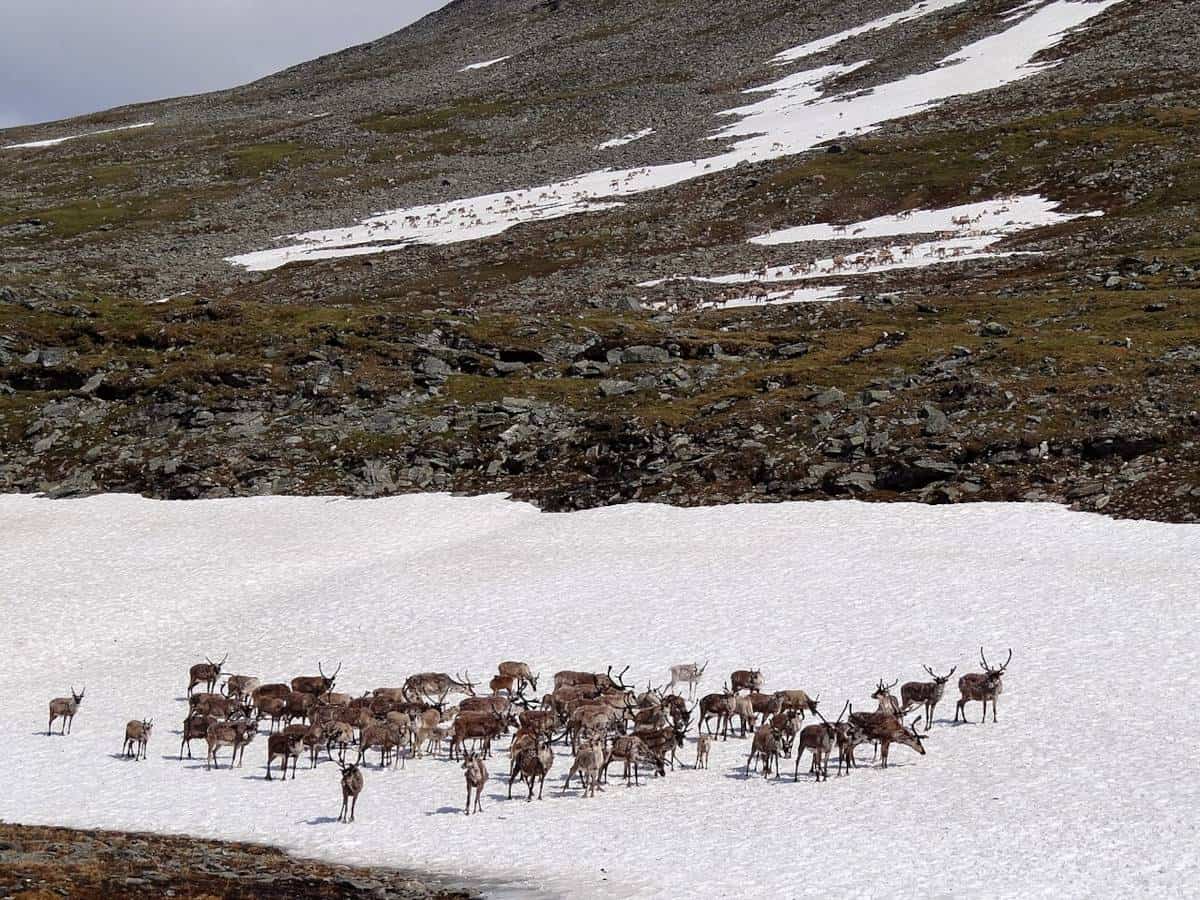
Photo by Bjørn Christian Tørrissen
What are wildlife agencies doing to help?
- Conducting CWD testing on deceased animals
- Running surveillance/monitoring programs
- Adjusting hunting regulations in certain areas to manage cervid populations and slow the spread of CWD
- Culling in areas with high prevalence rates
- Restricting the transport of animal parts
- Providing carcass disposal sites
- Working in collaboration with scientists to learn more about CWD
- Educating outdoor enthusiasts about their role in managing CWD
Other resources:
- The USGS: Distribution of Chronic Wasting Disease in North America
- Alberta Government: Chronic Wasting Disease — Information for Hunters

Chronic wasting disease is a serious bummer, but outdoor lovers can make a difference. By staying on trails, reporting sick animals, keeping your gear clean, and spreading the word, you’re doing your part to stop the apocalypse.
Ready to take it one step further? Subscribe to my newsletter for more conservation, outdoor tips, and reminders to get out of the inside, into the outside!


